How to Prepare for Your First EMDR Session and Feel More Grounded
Starting EMDR can bring up two feelings at once, hope and nerves. If your first EMDR session is coming up, that mix makes sense.
You don't need to show up perfectly prepared or ready to tell your whole story. A little planning can help you feel steadier, more informed, and more in control of the process.
What usually happens before reprocessing begins
Many people worry that EMDR starts with the hardest memory in the room. Most of the time, it doesn't.
EMDR, short for Eye Movement Desensitization and Reprocessing, is usually built in phases. Early sessions often focus on getting to know you, understanding your history, talking through goals, and building a sense of safety with your therapist. As PTSD UK's overview of what happens in an EMDR session explains, EMDR includes noticing thoughts, emotions, and body sensations connected to an experience. That process is usually paced carefully.
A first-session overview from a psychiatric practice also notes that many first appointments don't jump straight into reprocessing. Instead, they focus on trust, readiness, and making sure the work fits your needs.
That matters because EMDR isn't something you have to "perform" correctly. Your therapist is watching for what helps you feel grounded, what feels too fast, and what support you may need before going deeper. Experiences vary from person to person, so the most helpful guide is always your own licensed therapist.
You don't need to tell everything at once
This is one of the biggest worries people carry into a first appointment. What if you freeze? What if you leave something out? What if you don't know where to start?
You can start smaller than you think. A broad summary, a current symptom, or even "I don't know how to talk about this yet" is enough to begin. EMDR is not a test of memory or storytelling.
You are allowed to go slowly. You are allowed to ask what will happen before it happens.
If you're unsure whether EMDR is a good fit right now, say that out loud. A good therapist won't rush you past your own pace.
Get the basics in place before you walk in
Practical preparation may sound simple, but simple things help. When your body is under-fed, over-caffeinated, sleep-deprived, or racing to beat traffic, emotional work can feel harder than it needs to.
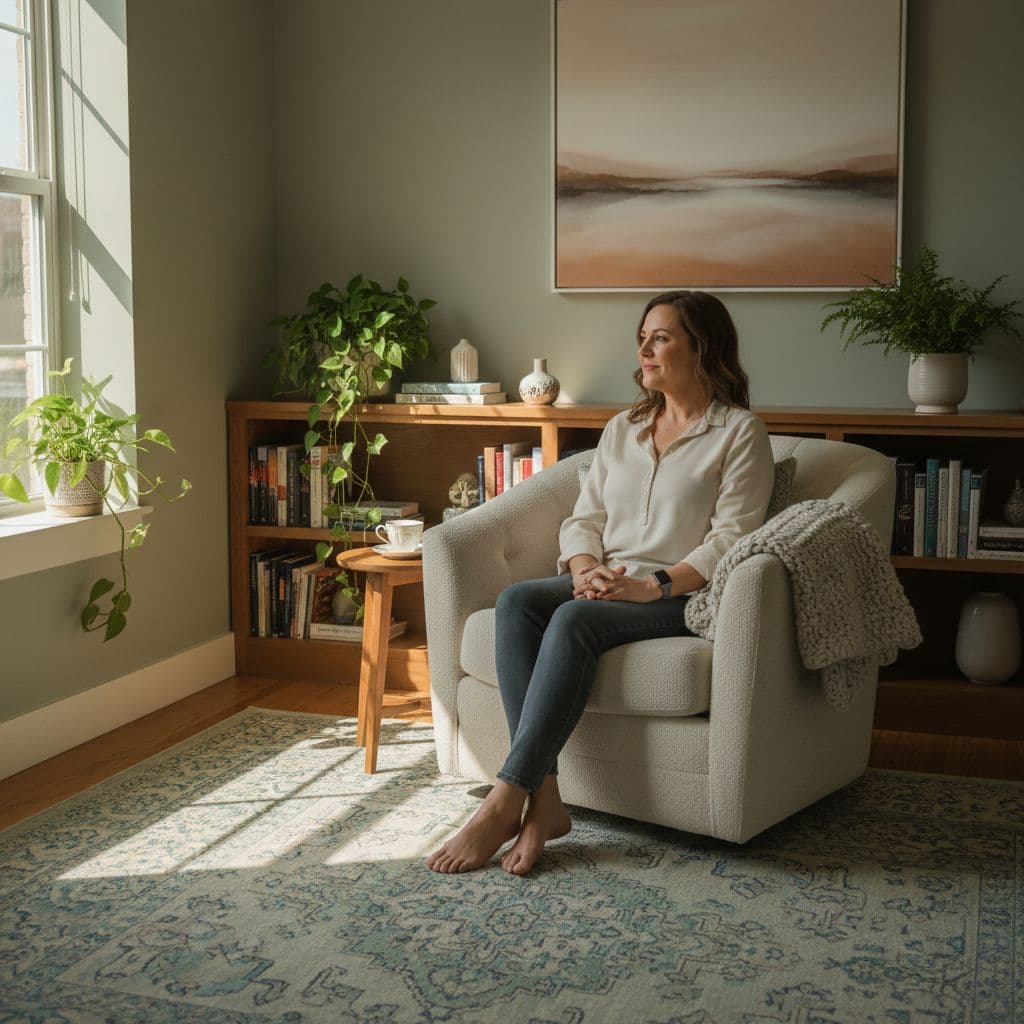
Try to treat the day of your session like you would any other meaningful appointment. Give yourself enough time to arrive without rushing. Eat something with protein if you can. Bring water. Wear comfortable clothes. If you use glasses, hearing aids, or anything else that helps you stay present, bring those too.
This quick planning guide can help:
| Before your session |
A simple example |
Why it helps |
| Get there with time to spare |
Arrive 10 to 15 minutes early |
Rushing can make your body feel on edge |
| Eat and hydrate |
Have a snack and water beforehand |
Low blood sugar can make emotions feel sharper |
| Dress for comfort |
Soft clothes, layers, comfortable shoes |
Physical comfort supports focus |
| Bring a few questions |
Keep them in your phone notes |
It's easier than trying to remember in the room |
| Leave space after |
Avoid stacking your day too tightly |
You'll have room to settle afterward |
The goal isn't to control every detail. It's to lower avoidable stress.
You also don't need to prepare a polished timeline of your life. If you want, jot down a few notes about why you're seeking therapy now, what symptoms bother you most, and what helps when you're overwhelmed. That's enough. A short list often works better than pages of writing.
If you already know certain things help you feel steady, mention them early. Maybe it's holding a cold water bottle, keeping both feet on the floor, or taking a pause when your body starts to tense. That kind of information is useful.
Prepare emotionally, not perfectly
Emotional preparation is less about bravery and more about consent. You have the right to know what the session may involve, how your therapist handles strong reactions, and what options you have if something feels too fast.
For many people, the best preparation is to think about one question: "What helps me feel safe enough to stay present?" The answer might be simple. A slower pace. Clear explanations. A break halfway through. Knowing you can stop at any point.
Some therapists begin with grounding or resourcing before any trauma target is addressed. This explanation of grounding before EMDR work highlights how calming tools can be part of early sessions. That can include breathing, orienting to the room, or using bilateral stimulation in a gentle way.
Questions worth bringing with you
If your mind goes blank in appointments, write these down ahead of time.
- Can you walk me through what will happen in the first session?
- If I start to feel overwhelmed, how will we slow down or pause?
- Do I need to share details, or can we work more generally at first?
- What grounding tools do you use before and after EMDR work?
- What kinds of bilateral stimulation do you offer, such as eye movements, tapping, or tones?
These questions don't make you difficult. They help build a clear, collaborative relationship.
It's also okay to tell your therapist if you've had a hard week, slept poorly, feel physically ill, or are carrying stress that day. Those details can shape the pace of the session. If you take medication, have panic symptoms, dissociate, or struggle to stay present under stress, bringing that up helps your therapist plan safely with you.
One more gentle reminder, your first EMDR session may feel relieving, emotional, neutral, or simply informative. All of those responses can be normal. There isn't one "correct" way to feel after starting.
Give yourself space after the session
A good plan for aftercare can make your first session feel less like a cliff and more like a landing.
Try not to schedule your appointment right before a packed work meeting, a long family obligation, or anything that demands a lot from you. If possible, leave a little quiet space after therapy. Ten minutes helps. Thirty is even better. A short walk, a calm drive home, light stretching, music, or sitting in the car for a minute can all help your nervous system settle.
Some people leave EMDR feeling lighter. Others feel tired, thoughtful, or emotionally stirred up. None of that automatically means the session went well or poorly. It simply means your system is responding. Follow the plan you and your therapist discussed, especially if they gave you grounding steps to use between sessions.
You may also want to keep a few notes afterward. Nothing long. A sentence or two is enough. Write down what helped, what felt difficult, and any questions you want to bring back next time. That small habit can make future sessions feel less foggy.
If you're supporting someone you love
Family members and partners can help most by being calm, respectful, and not pushy. A ride, childcare help, a quiet evening, or a simple "Do you want company or space?" can go a long way.
Try not to ask for details they may not want to share. EMDR work is personal, and privacy is part of emotional safety. Support doesn't have to mean getting the full story. Often, it means helping protect rest, routine, and choice.
If someone seems more distressed than expected after a session, encourage them to follow their therapist's guidance. If they need personalized advice, reaching out to a qualified mental health professional is the right next step.
Conclusion
Your first EMDR session doesn't ask you to be fearless. It asks you to come in as you are, with a little support, a few questions, and enough space to notice what you need.
The most helpful preparation is usually the simplest: know the plan, protect your sense of safety, and give yourself time before and after. When the pace feels clear and consent stays central, the first step can feel a little less intimidating and a lot more doable.
If interested in EMDR therapy and located in Colorado, our therapists at RAFT Counseling would love to connect with you. Reach out today to get connected and start EMDR in person in our office in Parker or virtually throughout Colorado.